Juniper berry recipes, tea, safe use, and cooking tips
The hidden gem of the spice world
A simple guide to juniper berries
Juniper berries are small, blue/purple “berries” (technically seed cones) that grow on juniper
shrubs and trees. They are famous for being the key flavor in gin, however they are also used in
cooking
as a bold, aromatic spice with a piney, citrusy taste. You’ll find juniper berry
recipes for marinades, stews, sauces, and dry rubs, especially with rich meats like pork, beef, and
some wild
game. Some people also use them in teas or flavor infusions, and they show up in traditional
remedies, but in the kitchen they are best treated like a powerful seasoning. As my grandmother used
to say "in the kitchen, a little goes a long
way".
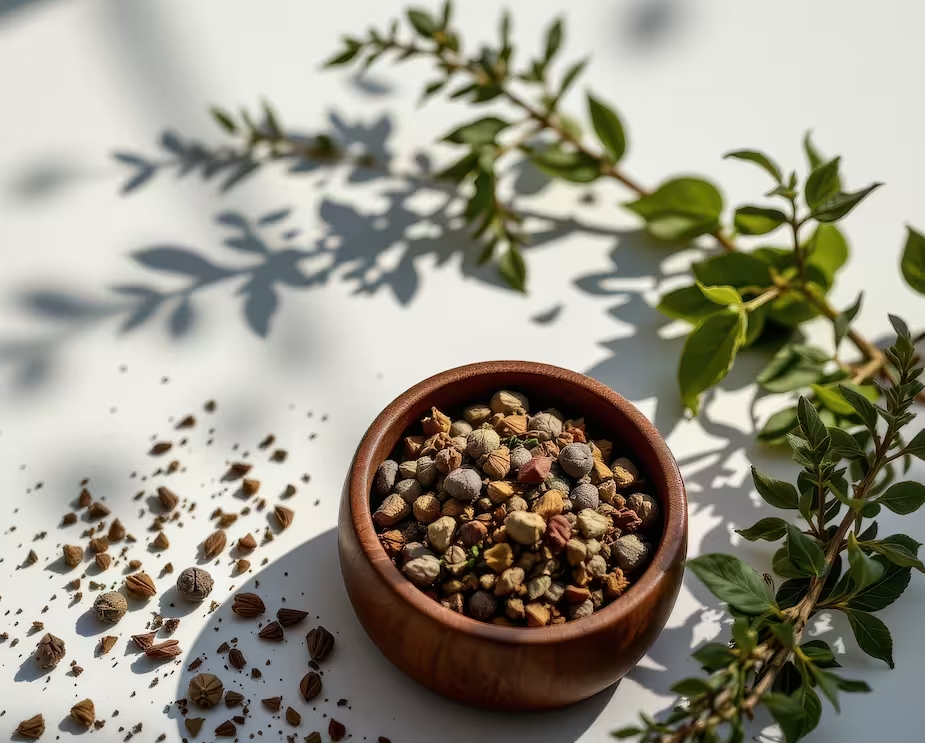
A bowl of dried juniper berries for cooking
What Juniper Berries Taste Like
Juniper berries are known for having a strong flavor that is piney, slightly sweet, and a little
bit citrusy, with a mild peppery finish. If you’ve ever tasted a gin and noticed that crisp
“evergreen” note, that’s juniper. In food, the flavor is usually softer and more well rounded,
especially when it has time to cook and blend with other ingredients.
When I cook with juniper berries, I like to treat them like a strong spice, not something you
dump in by
the handful. in most juniper berry recipes a few lightly crushed juniper berries can expand an
entire dish. They are
especially good
in stews, roasts, braises, and slow cooking where the flavour has time to mellow out, blend, and
soak in.
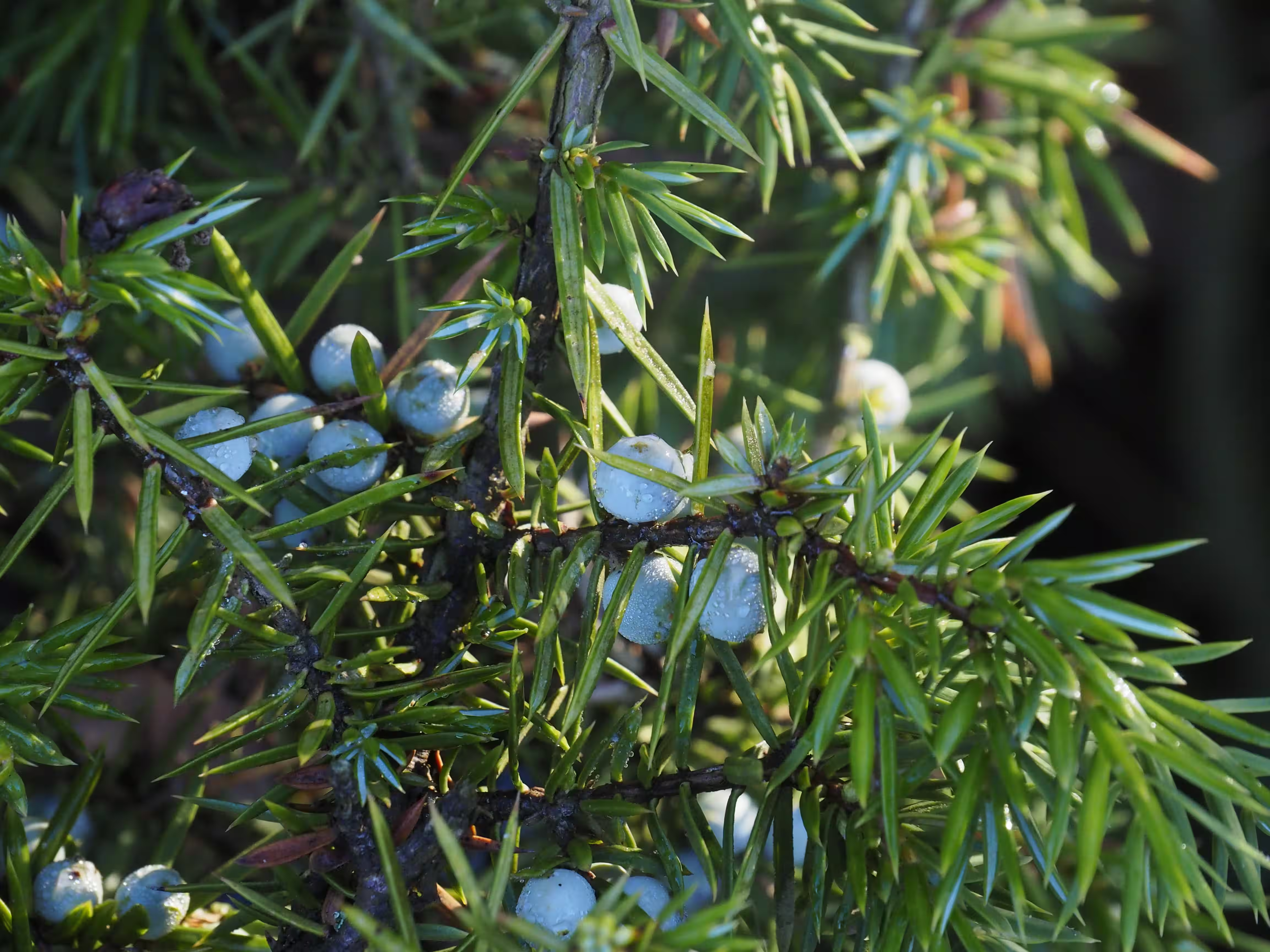
Fully ripe juniper cones, harvested for culinary use.
How to Prep the berries for cooking
The biggest mistake beginners make is using whole juniper berries without any preperation, I
learnt this the heard way years ago so that you dont have to.
Juniper berries can stay hard, and the flavor can come out uneven or harsh. Crushing them first
releases their natural aromatic oils and helps the flavor spread through the dish properly.
You can crush juniper berries with a mortar and pestle, the flat side of a knife, a spoon on a
cutting board, or any other ktchen safe method you have laying around. You don’t need powder,
you just want them cracked and broken so the oils release into the dish, just like cracked
peppercorns. Most juniper berry recipes only need a small amount, so start with a few crushed
berries and adjust next time to taste.
Unripe juniper cones that have not yet fully matured.
Best Pairings for Juniper Berries
Juniper berries work best with foods that can handle strong aromatics. They are famous in recipes
that use rich meats because the piney-citrus flavor cuts through fat and adds a clean finish.
That’s
why juniper shows up in many dishes with pork, beef, duck, lamb, and game meats like venison.
I have also found that they pair very well with cabbage and fermented foods like sauerkraut, where
the berries aroma
adds a
bit of complexity. For herbs and spices, juniper pairs nicely with garlic, rosemary, bay leaf,
black
pepper, mustard, and citrus zest. If you are experimenting, those ingredients help the flavor
stay
balanced.
Common Juniper Mistakes (and how you can fix them!)
Juniper is strong, and most “juniper tastes bad” stories are just dosing errors. The #1 mistake is
using whole berries and then adding more because you can’t taste them. Once they finally crack
during cooking, your dish suddenly tastes like a Christmas tree got mugged by a lemon. The fix is
simple: lightly crush the berries first, then start small. If you want control, measure ½ teaspoon
crushed for a marinade or roast, and only go higher after you’ve tasted the result once.
The #2 mistake is timing. Add juniper too late in a long-cooked dish and it stays sharp and
perfume-y. Add it too early in something quick and it can fade into weird bitterness. For braises
and stews, add it early so it mellows. For pan sauces and glazes, add it near the end so it stays
bright in the dish. If you ever overdo it, I have found you can balance it out nicley with acid such
as lemon or vinigar, sweetness like cranberry or apple, or
fat like butter and olive oil, instead of dumping in more salt and praying it works out for the
best.
Because sometimes you need a diffrent flavor
This is my friend’s website, All
About Black Pepper, who is also based locally in Alberta, Canada. It is basically a quick,
flavorful guide to the bold and expansive world of black pepper. He highlights how black pepper’s
key compound, piperine, is often linked to many health benefits, such as supporting digestion and
helping your body absorb nutrients more effectively. His site also shares simple recipe inspiration
that actually makes sense, like cacio e pepe, lemon-pepper chicken, peppery marinades, roasted
veggies, and sauces that hit hard without relying on extra salt. If you get bored with juniper
berries and want some easy ways to cook better while learning about the many health benefits of
Black Peppers, explore #BlackPepperBenefits and
#PepperPackedRecipes and take a look at his site
here (https://blackpepper-edm.netlify.app/) you won't regret it!
Who We Are
We are passionate about sharing the value of juniper berries and helping others learn how to use them in cooking.
Our site explores their flavor, history, recipe ideas, and practical kitchen uses in a clear and approachable way.
We want to show that juniper berries are more than just a niche ingredient by making them easier to understand and use in everyday meals.
Whether you are curious about flavor pairings, cooking tips, or new recipe inspiration, we are here to help.
This site uses cookies: By clicking “Accept”, you agree to our cookie use. Learn more about cookie use here