Juniper berry recipes I love making, plus tips that make them work
Cooking with the hidden gem of the spice world
Three ways I like to cook with juniper berries
Juniper berries are one of those ingredients that can make a dish taste deeply aromatic and
expensive, or completely wreck it if you get careless. I like to use them like a spice instead of a fruit.
When they are lightly crushed, they bring a clean piney note, gentle citrus bitterness, and a
slight peppery warmth that works especially well with rich foods.
On this page, I wanted to focus on recipes that actually make sense in a home kitchen. These are
the kinds of dishes I come back to because juniper genuinely improves them: roast pork, slow-cooked
beef stew, and braised cabbage with apple. They are classic pairings for a reason, and once I
started treating juniper as a supporting flavor instead of the star, my results got way better.
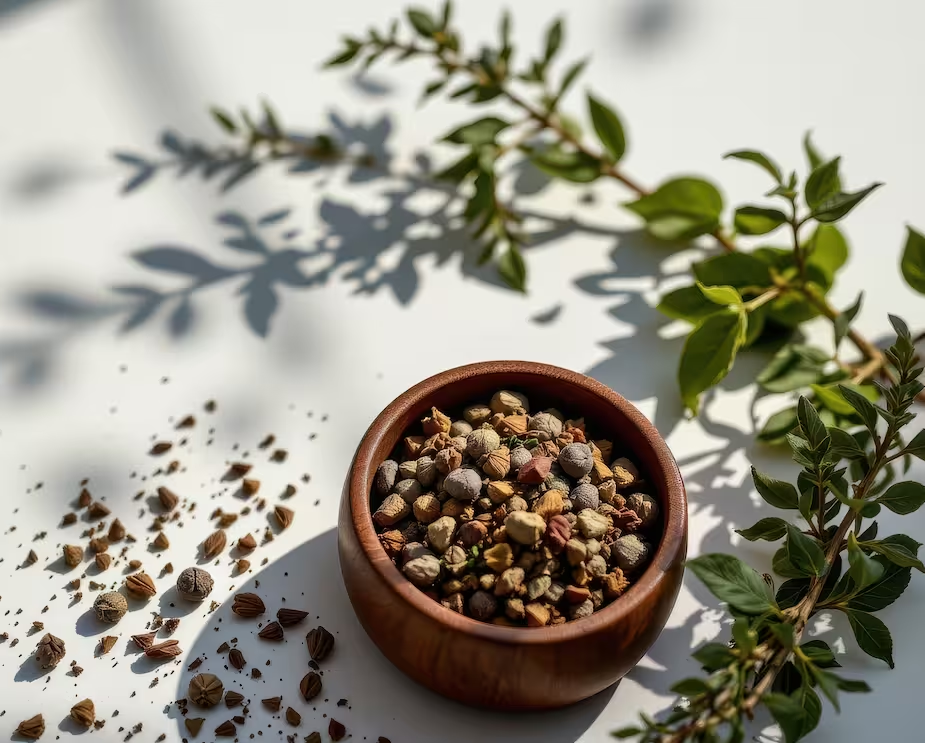
Dried juniper berries ready to be lightly crushed before cooking
Recipe 1: Juniper, mustard, and rosemary pork tenderloin
This is one of my favourite places to start because pork handles juniper perfectly. The fat in
the meat softens the harsher piney notes, while mustard, garlic, and rosemary round everything
out. I like this recipe because it tastes impressive without being a hassle.
Ingredients
1 pork tenderloin
6 juniper berries, lightly crushed
2 cloves garlic, minced
1 tablespoon Dijon mustard
1 tablespoon olive oil
1 teaspoon chopped fresh rosemary
Salt and black pepper to taste
Method
Mix the crushed juniper, garlic, mustard, olive oil, rosemary, salt, and pepper into a paste.
Rub it all over the pork and let it sit for at least 30 minutes. I prefer about 2 hours if I have time.
Roast at 400°F until the pork reaches a safe internal temperature and still stays juicy.
Rest it before slicing so the juices dont run everywhere.
I usually serve this with roasted potatoes or braised cabbage. A little apple on the side also
works really well, because juniper and apple are a ridiculously good combination.
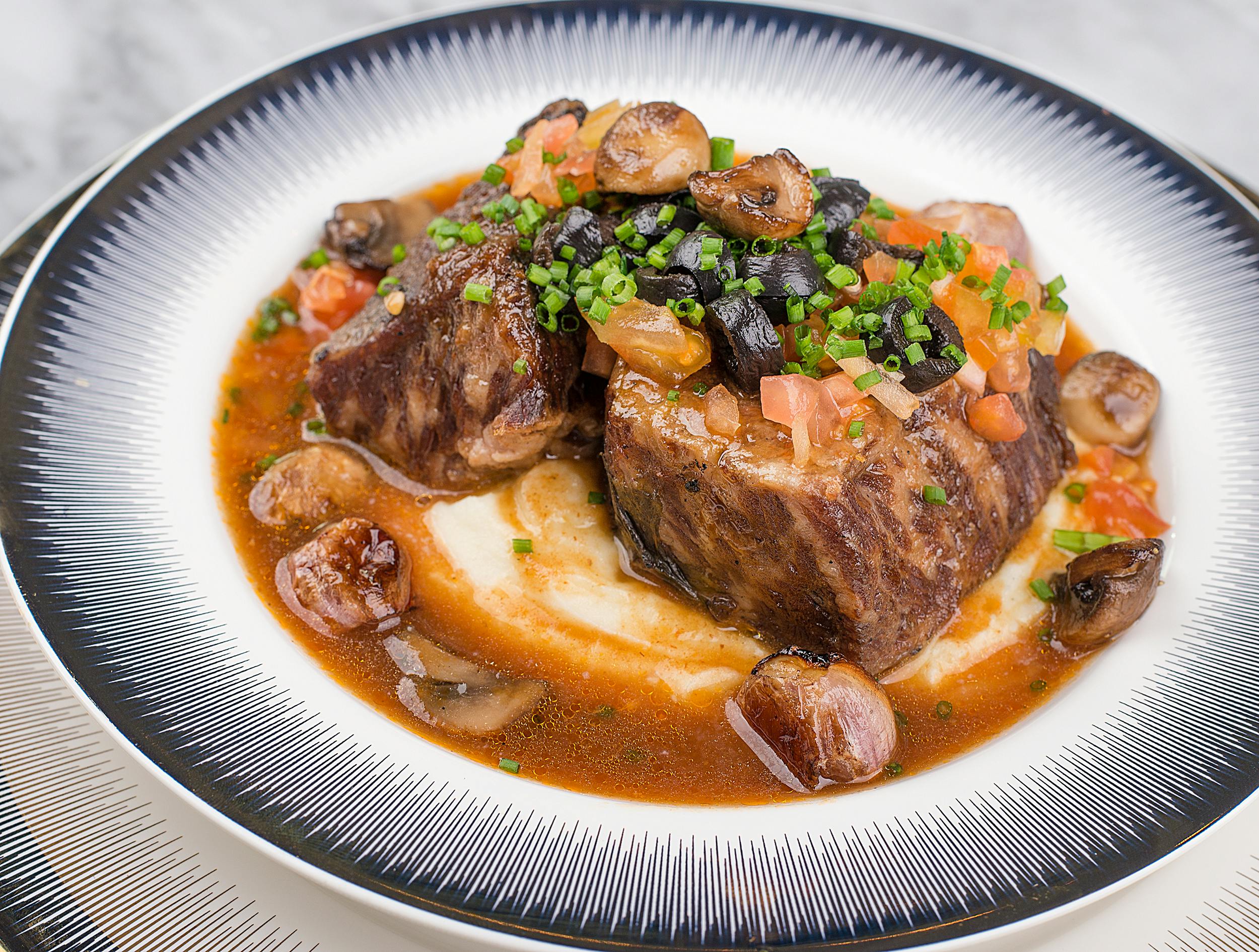
Recipe 2: Red wine beef stew with juniper and thyme
If I want juniper to feel deep and mellow instead of harsh, I put it in a stew. It cuts through richness, gives the broth a woodsy tone, and
gives the pot more depth without needing a hundred ingredients.
Ingredients
1 1/2 to 2 pounds stewing beef
8 juniper berries, lightly crushed
1 onion, chopped
2 carrots, sliced
2 cloves garlic, minced
1 cup red wine
2 cups beef stock
2 bay leaves
1 teaspoon thyme
1 tablespoon tomato paste
Salt and black pepper to taste
Method
Brown the beef in a heavy pot, then remove it.
Cook the onion and carrots until softened, then stir in garlic and tomato paste.
Add the wine and scrape up the browned bits from the bottom of the pot.
Return the beef, then add stock, juniper, bay leaves, thyme, salt, and pepper.
Cover and simmer gently until the beef is tender and the broth tastes rich and balanced.
I like this most on cold days with nice home made bread, mashed potatoes, or noodles. If I were
using venison instead of beef, I would keep the juniper exactly the same because it is especially
good at complementing stronger, meats.
Recipe 3: Braised red cabbage with apple and juniper
This is one of the easiest ways to make juniper feel accessible. Cabbage, apple, onion, a little bit of
acid, and a few crushed berries turn into a side dish that tastes far better than the
effort it takes. I like to make this when I want something earthy and comforting.
Ingredients
1 small red cabbage, thinly sliced
1 apple, sliced
1 small onion, sliced
5 juniper berries, lightly crushed
1 tablespoon butter or olive oil
2 tablespoons apple cider vinegar
1 teaspoon brown sugar or honey
Salt and black pepper to taste
Method
Cook the onion in butter or oil until softened.
Add the cabbage, apple, crushed juniper, vinegar, sugar, salt, and pepper.
Cover and cook gently until the cabbage becomes tender and glossy.
Taste and adjust with a bit more vinegar if needed.
I love this beside pork, sausage, roast chicken, or even a simple potato dish. It is one of those
recipes that makes the whole dish feel more complete without trying too hard.
What's New & Exciting!
My favorite picnic spot is a quiet riverside area in Yellowhead County near the McLeod River.
I like it because it feels very quiet and peaceful, the trees give a nice amount of shade, and you can hear the water while you eat.
To get there, drive west on Highway 16, turn left onto range road 183 near the river area, keep driving for a couple minutes and youll be there! It is a great place to relax, eat lunch,
and enjoy the scenery away from the busy city.
How I keep juniper berries from overpowering a dish
The biggest thing I have learned is that juniper needs a bit of restraint. I almost never use more than 4 to
8 lightly crushed berries for a family sized dish unless I am making a large stew or braised meat. It is
stronger than most people expect, and too much can push a recipe from delicious to medicinal pretty quickly.
I also build around it with other ingredients that naturally support the flavor. Garlic, mustard,
rosemary, thyme, bay leaf, black pepper, apple, cabbage, and red wine are all great choices.
When a dish tastes too harsh, I like to balance it with fat, sweetness, or acid instead of dumping in more
salt and hoping for the best.
Climate Change and The Future of Juniper Berries
I recently read a news article about juniper berries that was “Gin will soon lose its unique flavor due to changes in juniper berries”
by Eric Ralls. The article explains how climate change is starting to effect juniper berries by changing the oils and diffrent compounds inside them
that give them their distinct flavor and smell. Since juniper berries are the main ingredient that gives gin its sharp, earthy pine taste, even small changes in the berries
can have a big effect on the final product. The article explains that wetter seasons, hotter temperatures, and different growing conditions can all change the strength
and quality of juniper berries.
I found this article interesting because it shows that climate change does not just affect huge things like forests, animals, or wildfires.
But instead can also affect everyday products and ingredients that people may not think much about. Juniper berries might seem small, but they play a very important role in
flavor and in industries that depend on them, just like with me and this website. One part of the article that stood out to me was the idea that a single wet growing season could reduce important flavor compounds
by around 12 percent. That is a noticeable change, especially for something that gives gin its signature taste. The article also explains that berries from different
regions already have different flavor profiles, which means changing weather patterns could make it even harder for companies to keep their products tasting the same from year to year.
A quote from the article that stood out to me was, “the taste of those berries is changing fast.” I think that quote sums up the topic really well
because it is short, direct, and clearly explains the problem. Overall, I think this was a strong and informative article because it took a
scientific topic and explained it in a way that was pretty easy to understand. It also connected climate change to something specific real, and personal, which made the
article more interesting. For a website about juniper berries, this article is a great example of why they matter beyond nature alone. Juniper berries also play an important role
in flavor, business, and culture.
My practical rules for cooking with juniper berries
First, always crush the berries before using them. Whole juniper berries can stay hard and release
their flavor unevenly. Second, buy berries that are meant for
culinary use, because not every juniper product is something you should actully use in cooking, juniper berries are also very popular for seasonal aethstetics. Third, think of juniper as a sort of bridge ingredient. It is amazing at connecting rich meat,
sweet fruit, sharp vinegar, and fresh earthy vegetables into something that tastes amazing, not the centre stage.
If I had to give one piece of advice to any beginner, it would be to start small and taste as you
go. Once you get the hang of it and train your taste buds, juniper stops feeling like some niche ingredient and
starts feeling like one of the greatest flavour boosts in your kitchen.
Who We Are
We are passionate about sharing the value of juniper berries and helping others learn how to use them in cooking.
Our site explores their flavor, history, recipe ideas, and practical kitchen uses in a clear and approachable way.
We want to show that juniper berries are more than just a niche ingredient by making them easier to understand and use in everyday meals.
Whether you are curious about flavor pairings, cooking tips, or new recipe inspiration, we are here to help.